
Common Signs of Infertility
Infertility can be a complex and emotionally challenging experience for many individuals and couples. Recognizing the early signs of infertility is an important step toward understanding your reproductive health and exploring the right solutions.
At GP-Fertility, a global fertility network, we provide comprehensive support, education, and personalized guidance throughout your fertility journey. From initial assessment to advanced treatments and third-party reproduction options, our goal is to help you make informed decisions with confidence.
No matter what fertility challenges you may be facing, GP-Fertility is here to support you every step of the way.
How do I know if I’m experiencing infertility?
Infertility is generally defined as the inability to conceive or sustain a pregnancy. For many individuals and couples, the first sign of infertility is difficulty getting pregnant despite regular, unprotected intercourse.
While this definition may seem straightforward, fertility is influenced by a complex combination of biological processes. Successful conception requires healthy eggs and sperm, proper ovulation, open fallopian tubes, and a receptive uterine environment.
In women, ovulation typically occurs once per month, with a mature egg surviving for approximately 12 to 24 hours after release. For conception to occur, sperm must reach the egg within this narrow window.
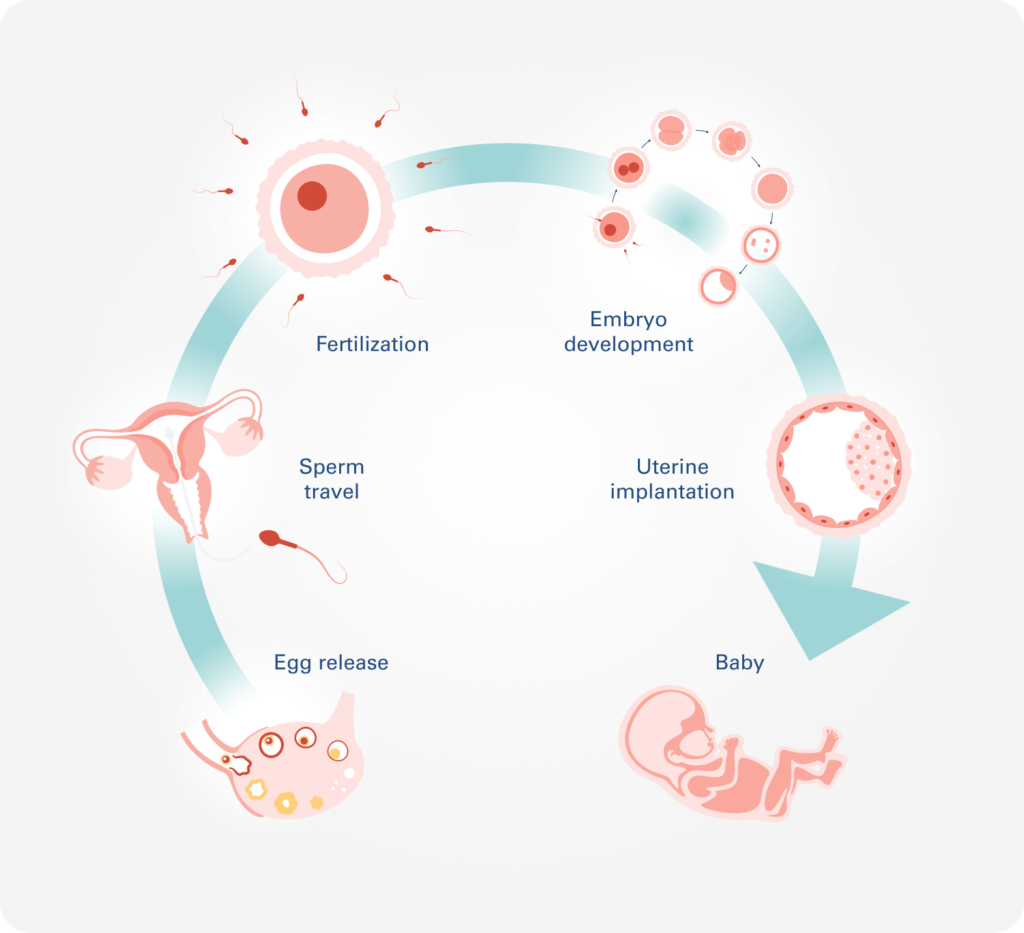
In men, sperm development takes approximately 2 to 3 months, and sperm must be present in sufficient quantity and quality to fertilize an egg successfully.
Even when all these conditions are met, pregnancy is not guaranteed. Fertility is a highly coordinated process, and even minor disruptions can impact the outcome.
Not sure if these symptoms apply to you?
Speak with a GP Fertility Consultant to receive personalized guidance.
Common Signs of Infertility in Women
When it comes to female fertility, age is one of the most important factors. Women are born with a finite number of eggs, and both the quantity and quality decline over time, particularly after the age of 35.
However, age is not the only indicator. There are several physical and hormonal signs that may suggest a fertility issue.

Menstrual Issues
A regular menstrual cycle is often a sign that ovulation is occurring normally. Irregular periods, missed periods, or unusually heavy or light bleeding may indicate disruptions in ovulation.
Because ovulation plays a central role in conception, any irregularities in the menstrual cycle may affect fertility and should be evaluated by a specialist.
Pain During Sex
While mild discomfort can occasionally occur, persistent or severe pain during intercourse is not normal and may indicate an underlying reproductive condition.
Pain during sex is commonly associated with conditions such as endometriosis, uterine fibroids, polycystic ovarian syndrome (PCOS), or pelvic inflammatory disease (PID), all of which can impact fertility.
Hormonal Changes
Hormonal imbalances can affect ovulation, menstrual cycles, and overall reproductive health. While some symptoms may be subtle, others may include
- Changes in appetite
- Sudden weight gain or loss
- Sleep disturbances
- Reduced libido
- Vaginal dryness
- Hot flashes or night sweats
- Chronic acne or skin changes
- Fatigue
- Mood swings, anxiety, or depression
- Hair thinning or hair loss
Although these symptoms do not always indicate infertility, they may suggest a hormonal imbalance that warrants further evaluation.
For individuals experiencing these symptoms, early consultation can help identify potential issues and provide clarity on next steps.
Common Signs of Infertility in Men
Infertility is not solely a female concern. In fact, male factors contribute to nearly half of all infertility cases. Evaluating both partners is essential for a comprehensive understanding of fertility challenges.

Sexual Function Issues
Male infertility is often linked to issues related to sperm production, function, or delivery. These may include low sperm count, reduced sperm motility, or abnormal sperm structure.
Some men may also experience symptoms such as:
- Erectile dysfunction
- Ejaculation disorders
- Reduced libido
- Pain or discomfort in the reproductive system
These signs may indicate an underlying issue that could impact fertility.
Hormonal Imbalance
Hormonal imbalances in men can also affect fertility. While some symptoms are noticeable, others may be more subtle.
Common signs include:
- Loss of muscle mas
- Fatigue
- Reduced libido
- Hair loss
- Mood changes
- Sleep disturbances
- Cognitive or memory issues
Although these symptoms are common in everyday life, they may also indicate an underlying hormonal issue affecting reproductive health.
At GP-Fertility, male fertility is evaluated as an essential part of a comprehensive fertility assessment.
Additional Considerations
Fertility challenges can arise from a variety of medical, genetic, and lifestyle factors. In some cases, individuals may not experience obvious symptoms, yet still encounter difficulty conceiving.
For those facing more complex fertility situations, additional pathways may be available. Options such as egg donation, sperm donation, and surrogacy can provide alternative routes to parenthood.
GP-Fertility offers fully managed third-party reproduction programs, providing medical, legal, and international coordination support to ensure a seamless experience.
Signs of Infertility FAQs
Connect With a GP Fertility Specialist
Understanding the signs of infertility is the first step toward finding the right solution.
At GP-Fertility, we connect you with leading fertility specialists across our global network, offering personalized care plans tailored to your unique needs. From fertility assessment to advanced IVF treatments and third-party reproduction options, we provide end-to-end support throughout your journey.
You don’t have to navigate this alone.
Speak with a GP Fertility Consultant today and take the next step toward building your family.