
Book a no-obligation consultation to map your global pathway — medically coordinated & legally guided. Start here.
When first exploring fertility care, it’s natural to have questions—what tests will be needed, what the results might mean, and what options are available moving forward.
For many individuals and couples, this stage can feel uncertain. At GP-Fertility, we believe that clarity is the foundation of confident decision-making. Through comprehensive fertility testing and personalized guidance, we help you better understand your reproductive health and define the next step in your journey.
A fertility evaluation is a comprehensive diagnostic process that includes a series of tests and medical assessments designed to identify potential causes of infertility.
It is typically the first step in a fertility journey. By understanding the underlying factors affecting fertility, specialists can develop a personalized treatment plan tailored to each individual’s medical history, condition, and goals.
A well-structured evaluation not only provides answers, but also helps patients move forward with clarity and confidence.
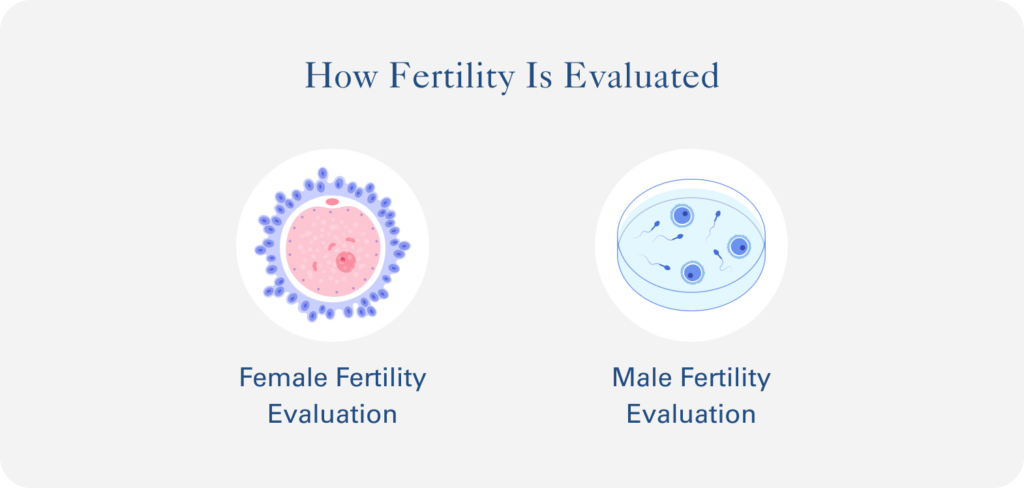
Fertility testing generally focuses on three key areas: female fertility, male fertility, and genetic factors. Each plays an important role in understanding the full picture of reproductive health.
A wide range of factors can affect a woman’s ability to conceive or sustain a pregnancy. These may include ovulation disorders, hormonal imbalances, age-related decline, or structural conditions affecting the uterus or fallopian tubes.
A female fertility evaluation is designed to identify these factors through a combination of diagnostic tests. Common assessments may include:
The insights gained from these tests provide essential guidance for developing an effective and personalized treatment approach.
Infertility is not limited to women—male factors contribute to approximately 50% of infertility cases. In many situations, challenges are related to sperm count, motility, or morphology.
A male fertility evaluation is typically straightforward and may include:
Identifying male fertility factors early can significantly improve the efficiency and success of treatment planning.
For some individuals or couples, genetic testing may be recommended as part of the fertility evaluation process.
Preimplantation genetic testing (PGT), often used in conjunction with IVF, can help identify embryos with the highest potential for a successful pregnancy. This can be particularly valuable for individuals with known genetic risks or previous unsuccessful treatment attempts.
Different genetic testing options are available depending on personal medical history and reproductive goals.
If you have been trying to conceive without success, fertility testing can help identify potential reasons and guide your next steps.
Even for those not actively trying, early evaluation can provide valuable insights into reproductive health and preserve future options. Early detection often allows for more flexible and effective treatment choices.
Fertility testing is the foundation of every successful fertility journey. With the right evaluation and expert guidance, you can move forward with confidence and a clear plan.
At GP-Fertility, our global network of specialists is committed to providing personalized, evidence-based care—supporting you at every stage, from diagnosis to treatment and beyond.